
What was the biggest killer during the 2014-2015 Ebola outbreak? The answer isn't Ebola. According to data from the World Health Organization (WHO), the number of deaths from measles, malaria, HIV/AIDS, and tuberculosis skyrocketed as health systems became overwhelmed. More people died from these otherwise treatable conditions—due to the collapse of routine care—than from Ebola itself.
This stark lesson from the past is a critical warning for the present. As the COVID-19 pandemic places rapidly increasing demands on hospitals and healthcare workers worldwide, we face the same risk. When health systems are overstretched, they can no longer operate effectively, and mortality from a wide range of preventable and treatable conditions can increase dramatically.
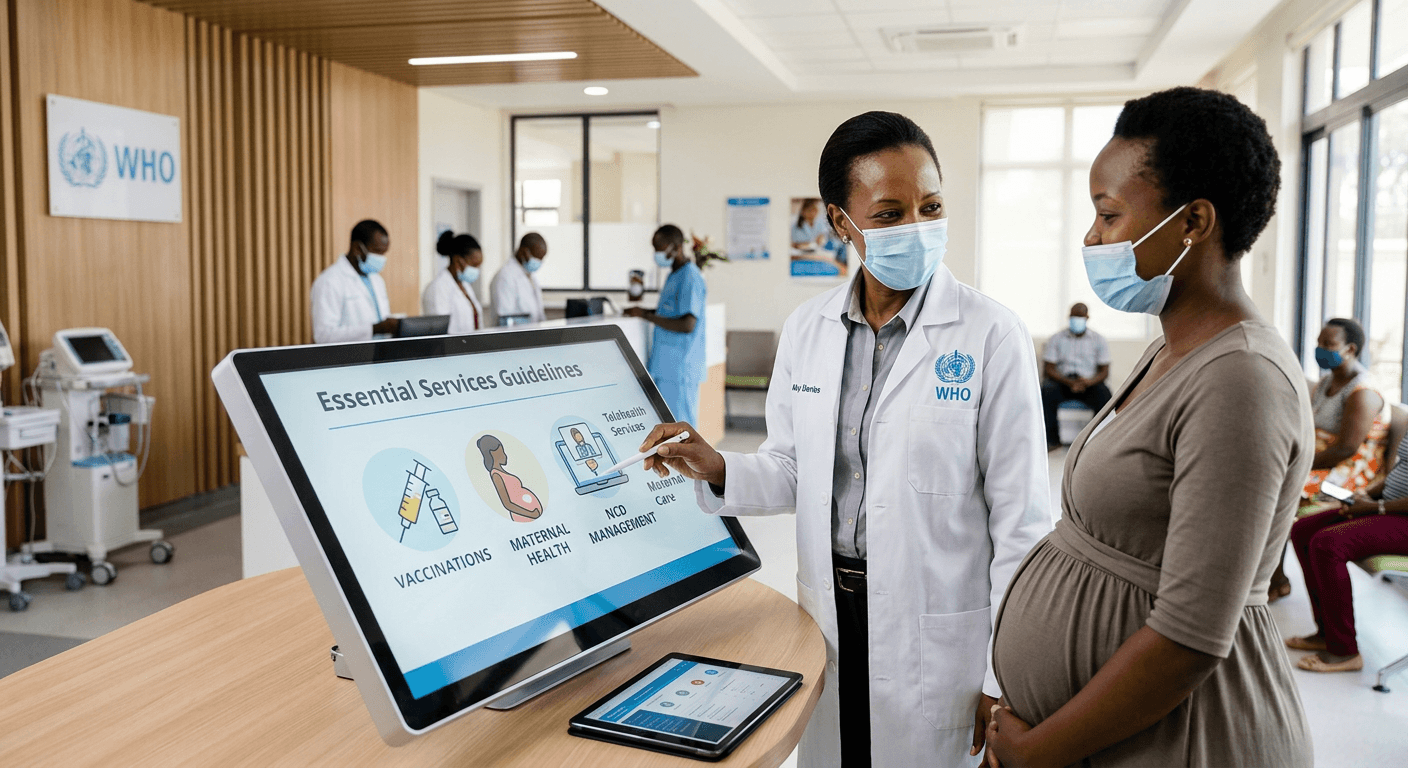
In response to this threat, the WHO has released new guidelines to help countries maintain essential health services during the pandemic. The goal is to prevent a secondary crisis by ensuring that care for chronic diseases, vaccinations, and other vital health needs continues without interruption.
This is where the power of digital health becomes undeniable. Platforms like Medicup provide a crucial lifeline, allowing patients to connect with providers for non-emergency needs without leaving home. By shifting routine consultations, prescription management, and chronic disease monitoring to a virtual setting, telehealth helps solve the exact problem the WHO has identified. It ensures continuity of care for patients while reducing the immense strain on physical clinics and hospitals, freeing them to focus on the most critical COVID-19 cases and protecting everyone from unnecessary exposure.
Source: World Health Organization