
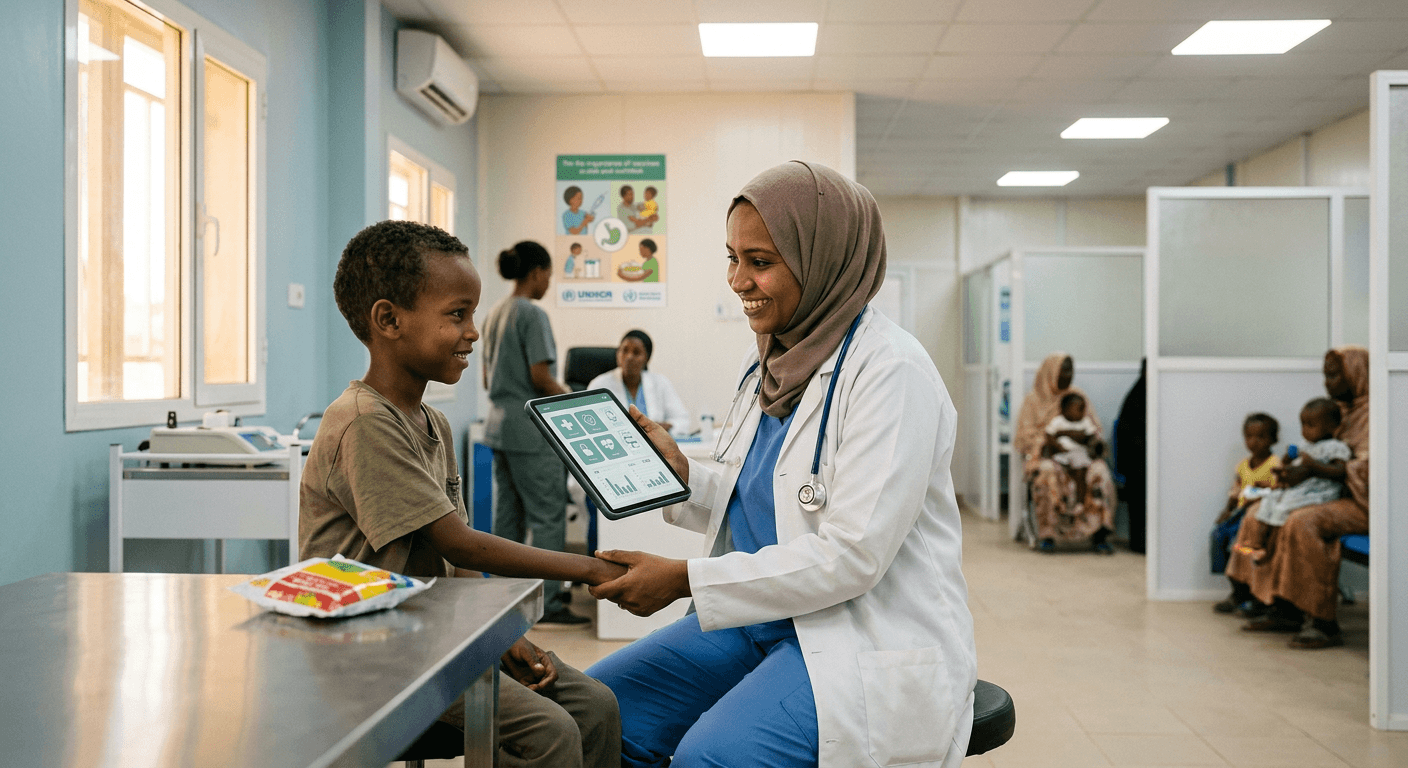
A devastating health crisis is unfolding in Sudan, where an estimated 1,200 children have died in refugee camps from a deadly combination of suspected measles and malnutrition. This staggering figure, reported by the World Health Organization (WHO) and UNHCR, the UN Refugee Agency, serves as a grim alert to the catastrophic collapse of the country's health infrastructure amid ongoing conflict.
The agencies are sounding the alarm on the rapidly deteriorating conditions, which are fueling outbreaks of preventable diseases. With health facilities under attack and essential supplies dwindling, the most vulnerable—especially children—are paying the ultimate price. The combination of malnutrition, which weakens the immune system, and a highly contagious virus like measles creates a perfect storm for high mortality rates.
The Medicup Perspective
While the situation in Sudan requires immediate, on-the-ground humanitarian aid, it is also a powerful reminder of why resilient and accessible healthcare systems are not a luxury, but a necessity. The collapse of physical infrastructure in a crisis underscores the vital role that digital health can play in maintaining continuity of care.
In emergencies where clinics are destroyed or travel is perilous, telehealth platforms can become a lifeline, connecting displaced patients with qualified providers for diagnosis, triage, and essential medical advice. Digital tools can also be deployed for rapid disease surveillance, helping public health officials track outbreaks like measles in real-time and coordinate targeted vaccination campaigns more effectively. For a world facing increasing instability, from conflict to climate events, investing in a robust digital health infrastructure is a critical step toward ensuring that a crisis in one area does not have to mean a total collapse in care.
Source: World Health Organization