
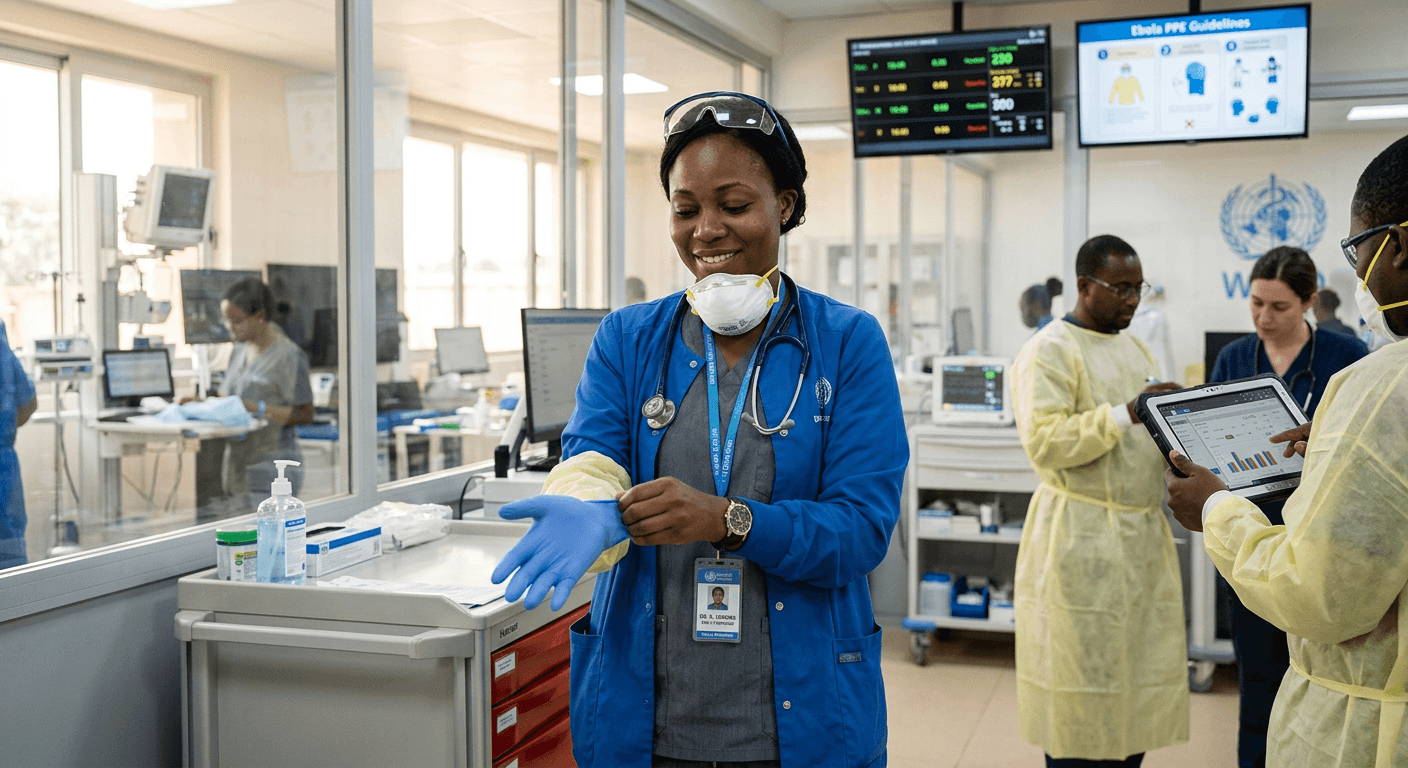
In the midst of a devastating Ebola outbreak, the World Health Organization (WHO) undertook a formal review to update its guidelines on personal protective equipment (PPE). The goal was clear and urgent: to clarify and standardize the use of PPE to ensure the safety of healthcare workers and their patients from the transmission of the deadly virus.
These updated guidelines were developed to provide definitive information on safe and effective PPE options and to guide the procurement of equipment for those on the front lines. By basing the recommendations on a thorough review of evidence, the WHO aimed to protect the courageous doctors, nurses, and support staff risking their lives to contain the disease.
This focus on protecting providers from infectious disease is a challenge that has reshaped modern medicine. While physical barriers like PPE are essential for in-person, high-risk care, the rise of digital health offers a powerful, complementary strategy. Platforms like Medicup are designed to fundamentally reduce the risk of transmission by enabling virtual consultations.
For patients, telehealth provides access to care without the risk of exposure in a waiting room. For providers, it allows them to diagnose, manage, and treat a wide range of conditions remotely, conserving critical PPE resources for situations where physical contact is unavoidable. By reducing the number of in-person visits, digital health tools act as a first line of defense, protecting the entire healthcare ecosystem. The WHO's vital work during the Ebola crisis underscores the importance of provider safety—a mission that technology now helps us fulfill in new and powerful ways.
Source: World Health Organization