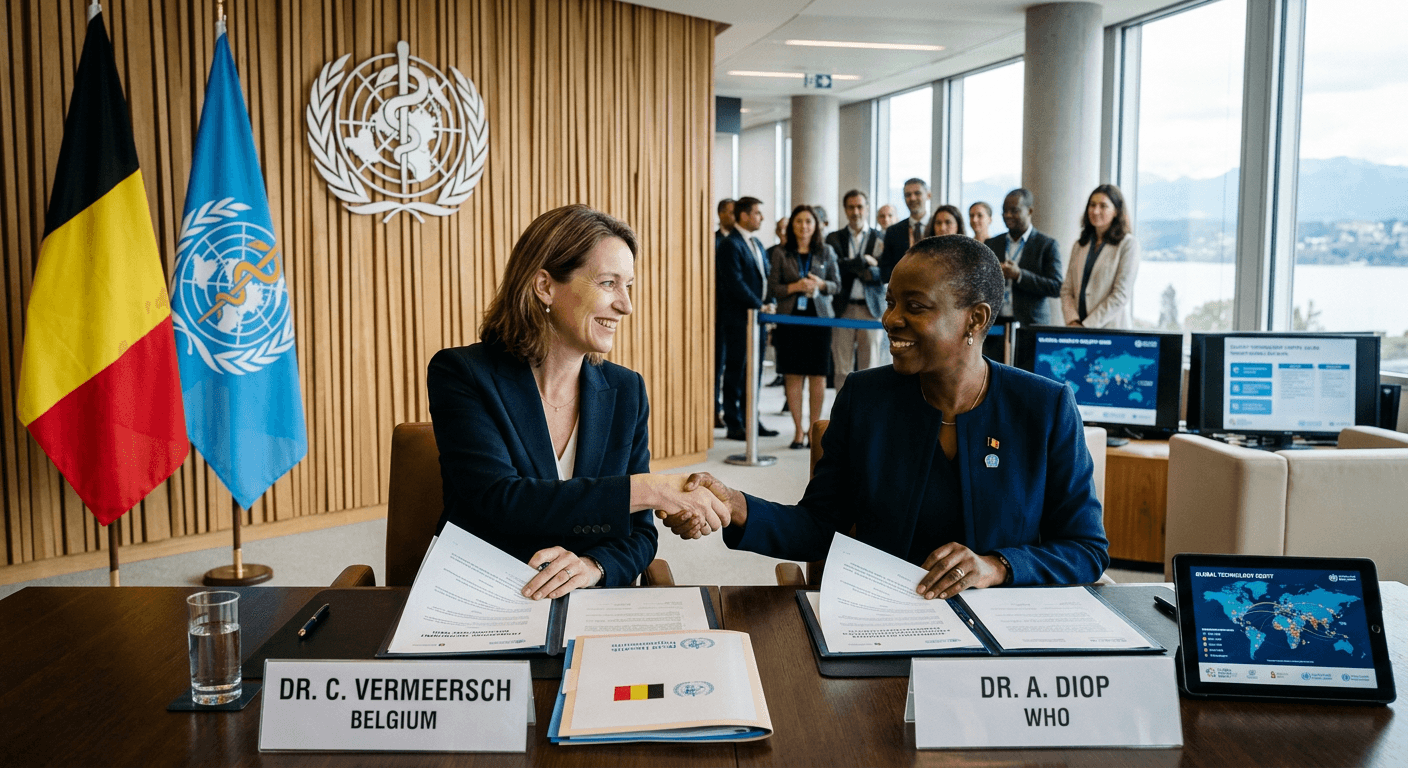
How do we ensure that life-saving medical innovations, from vaccines to advanced treatments, reach everyone who needs them, regardless of where they live? A significant new agreement between the government of Belgium and the World Health Organization (WHO) aims to tackle this very challenge.
Belgium has committed €8 million in a multiyear contribution running from 2021 to 2025 to support the WHO's efforts in increasing global equitable access to essential health products and technologies. The initiative focuses on two key areas: improving access to products related to the pandemic and expanding the availability of treatments for other communicable and non-communicable diseases.
A central part of this plan involves facilitating technology transfer through the WHO's mRNA vaccine technology transfer hub. This effort is designed to empower more regions to produce their own advanced vaccines. The partnership will also work to strengthen the regulatory capacity of health systems around the world, ensuring they can safely and efficiently approve new medical technologies.
The Medicup Perspective
At Medicup, we see this as a powerful step forward in the global movement toward health equity—a mission that lies at the heart of digital health. While this agreement focuses on physical health products like vaccines, the underlying principle of expanding access to "health technologies" is universal.
Strengthening regulatory frameworks worldwide doesn't just help get vaccines approved; it also paves the way for the faster, safer adoption of digital health tools like telehealth platforms and AI-driven diagnostics. When local health systems are better equipped to evaluate and integrate new technologies, it creates a more robust and responsive healthcare ecosystem for everyone.
Ultimately, building a healthier world requires a two-pronged approach: innovation in physical treatments and innovation in digital delivery. This partnership between Belgium and the WHO champions the first, creating a more fertile ground for the second. By ensuring foundational health technologies are shared more equitably, we build a global system where digital platforms can have the maximum impact, connecting more patients and providers than ever before.
Source: World Health Organization