
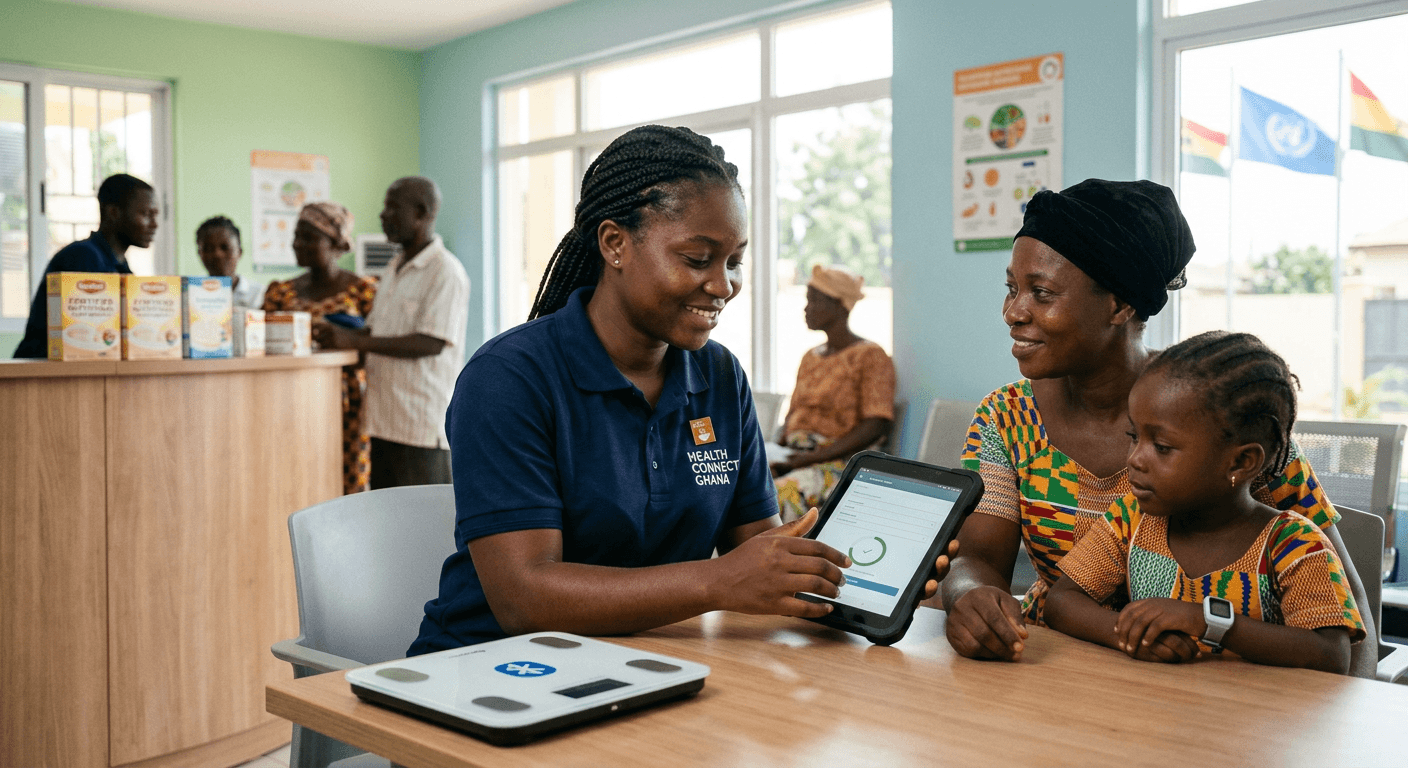
The global goal of achieving Zero Hunger by 2030 is in serious doubt. A major annual United Nations report, the State of Food Security and Nutrition in the World, has found that the number of people going hungry is not decreasing—it's growing.
In 2019 alone, almost 690 million people were chronically undernourished. That figure represents an increase of 10 million people over 2018, and a staggering jump of nearly 60 million people in just five years. The report, highlighted by the World Health Organization, points to a difficult reality: even for those who have access to food, high costs and low affordability prevent billions from eating a healthy, nutritious diet.
This isn't just a crisis of empty stomachs; it's a profound health crisis. Malnutrition in all its forms—from undernourishment to deficiencies in essential vitamins and minerals—has devastating, long-term effects on individual and community health.
The Medicup Perspective: Connecting Care to a Fundamental Need
While digital health platforms can't solve the complex economic and logistical problems of food distribution, they are uniquely positioned to help mitigate the health consequences of food insecurity. This is where technology becomes a critical link in the chain of care.
- Early Detection and Counseling: Through telehealth consultations, providers can screen for the signs and symptoms of malnutrition. A virtual visit can be a crucial opportunity for a doctor or nutritionist to discuss a patient's diet, identify nutritional gaps, and provide personalized counseling on how to make the most of available, affordable foods.
- Connecting Patients to Resources: Digital platforms can serve as a vital hub, connecting patients with local food banks, government assistance programs, and other social support services. A provider on Medicup can not only diagnose a health issue but also guide a patient toward resources that address its root cause.
- Managing Chronic Conditions: For patients with conditions like diabetes or heart disease, proper nutrition is non-negotiable. Telehealth provides the continuous, accessible support they need to manage their diet, preventing their health from deteriorating further due to food insecurity.
The UN's findings are a sobering call to action. Addressing global hunger requires a massive, coordinated effort. Within that larger fight, digital health has a clear and vital role to play: ensuring that no matter their circumstances, people can access the medical guidance and support they need to stay healthy.
Source: World Health Organization