The COVID-19 pandemic was the first in history to unfold on a global, digital stage. Technology and social media became essential tools, keeping us informed, productive, and connected to loved ones and essential services. But as the World Health Organization (WHO) has pointed out, this digital reliance has a serious side effect: an "infodemic."
An infodemic is an overwhelming flood of information—some accurate, some not—that makes it difficult for people to find trustworthy guidance when they need it most. The very platforms we use to stay safe are also amplifying misinformation and disinformation, which the WHO warns can undermine the global health response and jeopardize measures to control a pandemic.
When faced with a health scare, it's tempting to turn to a search engine or social media feed. The infodemic, however, means that this search can lead to confusion, anxiety, and dangerous advice, making it harder to separate medical fact from fiction.
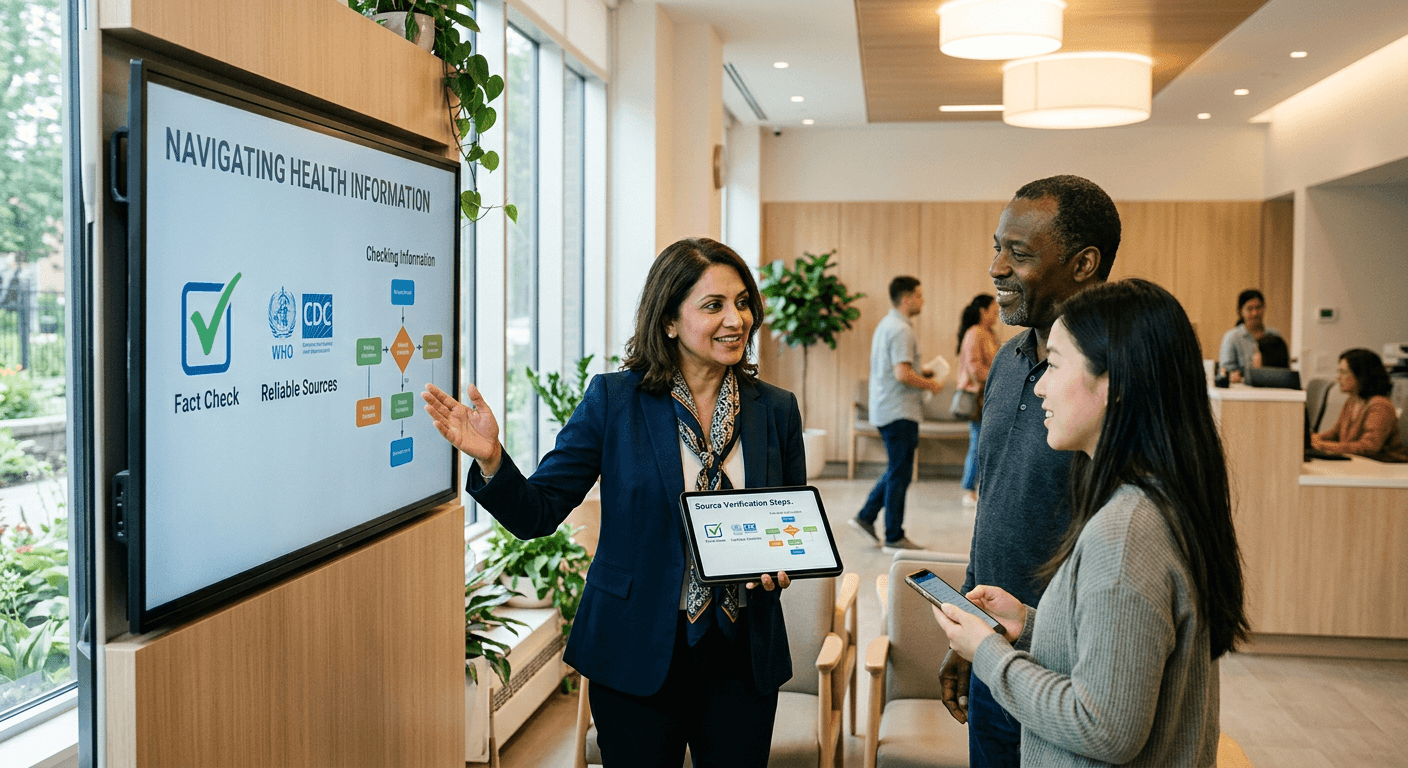
This is where the role of digital health becomes critical. The most effective antidote to an infodemic is not less information, but better, more direct access to trusted sources. Telehealth platforms like Medicup cut through the noise by creating a direct, secure channel between patients and their healthcare providers. Instead of navigating a sea of conflicting online claims, you can get personalized answers and evidence-based guidance from a qualified professional who knows your health history.
By strengthening the patient-provider relationship, digital health tools empower individuals to make informed decisions based on reliable medical advice, not viral rumors. In the fight against both biological viruses and viral misinformation, a direct line to a trusted expert is our most powerful tool.
Source: World Health Organization