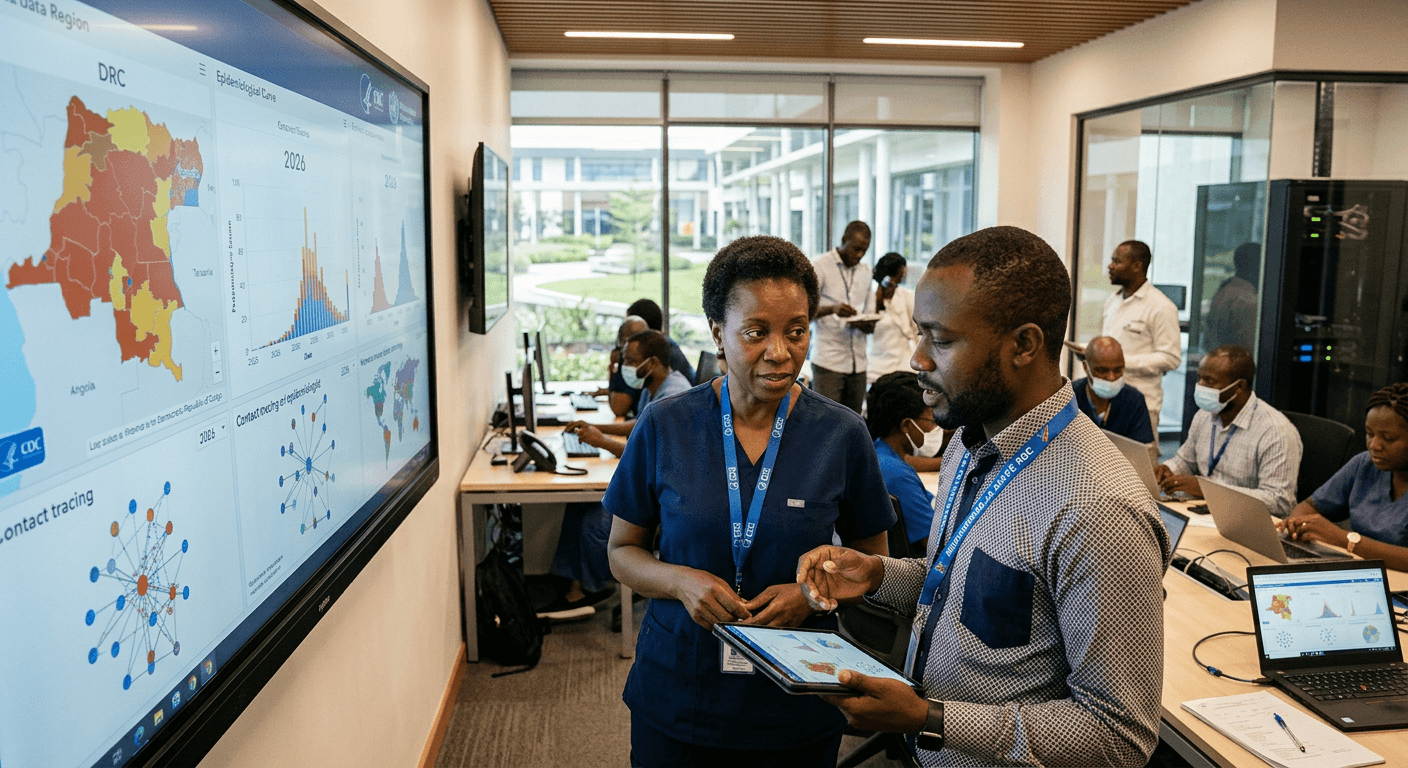
Health officials are on high alert following a statement from the U.S. Centers for Disease Control and Prevention (CDC) on July 10, 2026, confirming an active Ebola outbreak. The outbreak is currently affecting two neighboring countries in Central Africa: the Democratic Republic of Congo (DRC) and Uganda.
While the full scale of the situation is still being assessed, the announcement itself underscores the persistent threat of infectious diseases and the need for a rapid, coordinated global response. For those on the ground, this means deploying medical personnel, supplies, and contact tracing efforts. For the global health community, it’s a critical moment to provide support and prevent further spread.
The Role of Digital Health in an Outbreak
News like this highlights the vital importance of modern healthcare infrastructure. In an outbreak scenario, minimizing physical contact is crucial to protecting both patients and healthcare workers. This is where digital health platforms become an essential part of the public health toolkit.
- Telehealth for Triage and Monitoring: Virtual consultations allow providers to safely screen potential patients for symptoms without risking exposure in a crowded clinic. This helps manage the flow of patients to treatment centers and allows for remote monitoring of less severe cases or contacts, preserving critical in-person resources for those who need them most.
- Digital EMRs for Rapid Data Sharing: Coordinated responses rely on accurate, real-time data. Electronic Medical Records (EMRs) enable health officials to track cases, monitor transmission patterns, and share vital information across different regions and organizations seamlessly. This is a night-and-day difference from the paper-based systems of past epidemics.
- AI-Powered Public Health Tools: Artificial intelligence can accelerate outbreak response by helping to analyze transmission data, predict hotspots, and manage the allocation of medical supplies. These tools provide health authorities with the insights needed to make faster, more informed decisions.
At Medicup, we believe that robust digital health systems are no longer just a convenience—they are a cornerstone of global health security. As the situation in the DRC and Uganda develops, technology will play a key role in supporting the heroic efforts of healthcare workers on the front lines, ensuring a safer and more effective response for everyone.
Source: CDC Newsroom