The Challenge of Hospital Readmissions
A hospital readmission occurs when a patient is admitted back into a hospital shortly after being discharged. This can be a stressful experience for patients and their families, and it often highlights a gap in care during the critical transition period from hospital to home. Ensuring patients remain stable and supported after they leave the hospital is a key goal in modern healthcare.
What is Remote Patient Monitoring (RPM)?
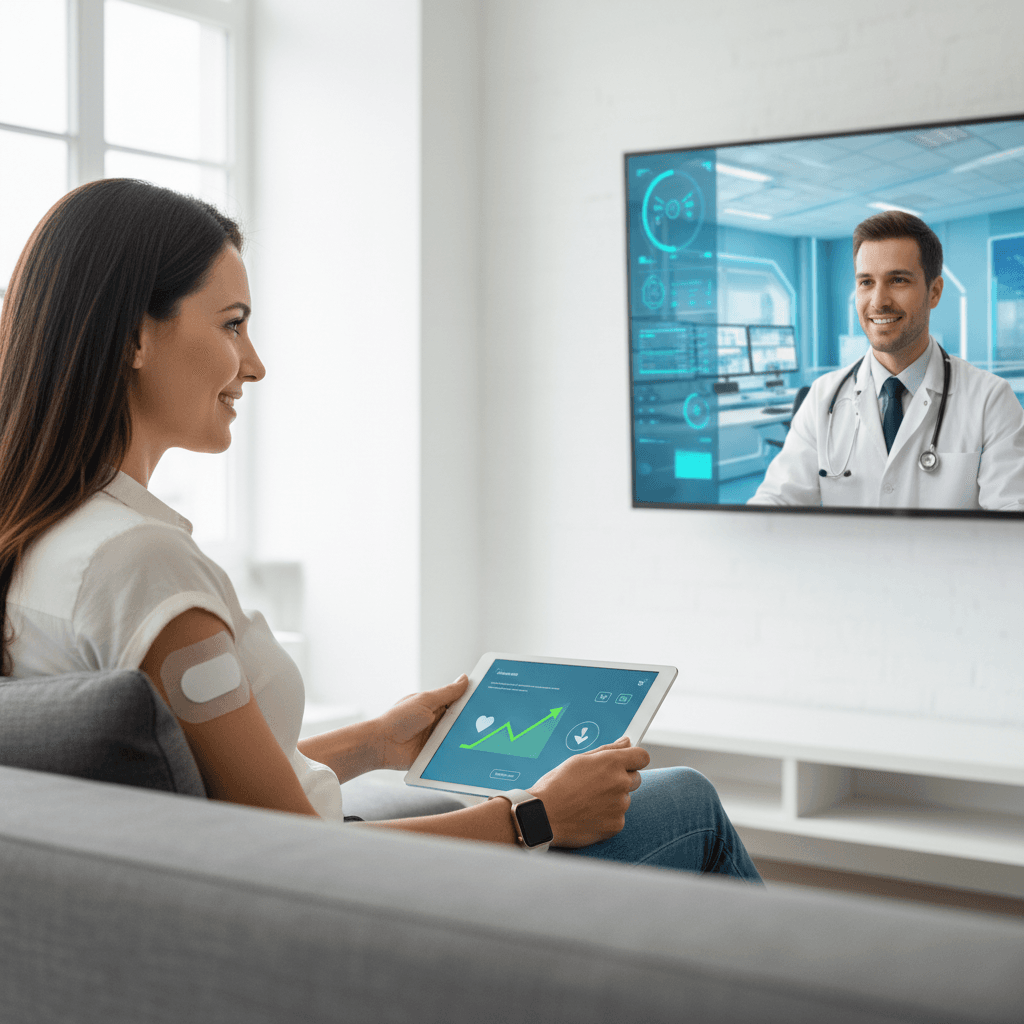
Remote Patient Monitoring, or RPM, is a form of digital health that allows healthcare providers to monitor a patient's health outside of a traditional clinical setting. It uses technology to collect and transmit health data from a patient's home to their care team.
Typically, a patient is provided with easy-to-use medical devices, such as:
- Blood pressure cuffs
- Weight scales
- Pulse oximeters (to measure oxygen levels)
- Glucose meters
Data from these devices is securely sent to the patient's healthcare provider, who can review the information on a platform like Medicup. This creates a continuous line of sight into the patient's health status without requiring an in-person visit.
How RPM Supports Post-Discharge Care
By extending care beyond the hospital walls, RPM can play a significant role in reducing the chances of a readmission.
1. Early Detection of Warning Signs
After discharge, a patient's condition can change. RPM allows for the regular collection of vital signs. A provider can spot subtle but important changes—like a gradual increase in weight for a heart failure patient or a rise in blood pressure—and intervene early. This proactive approach can address issues before they become severe enough to require re-hospitalization.
2. Enhancing Patient Engagement
RPM encourages patients to take a more active role in managing their own health. By seeing their own data daily, they can better understand the connection between their lifestyle choices, medication adherence, and their overall well-being. This empowerment can lead to better health outcomes.
3. Improving Communication and Support
Many RPM platforms include communication tools, allowing patients to easily connect with their care team if they have questions or are not feeling well. This accessible support system provides peace of mind and ensures that concerns are addressed quickly, reducing the need for emergency room visits.
4. A Smoother Transition to Home
The period immediately following a hospital stay is crucial. RPM helps create a seamless transition by providing a safety net. The care team remains connected and informed, ensuring the patient's recovery plan is on track even after they have returned home.
The Future of Post-Hospital Care
Remote patient monitoring is transforming post-discharge care from a reactive to a proactive model. By leveraging technology to stay connected with patients, healthcare systems can provide a higher level of support, improve patient confidence, and work toward the important goal of reducing preventable hospital readmissions.