
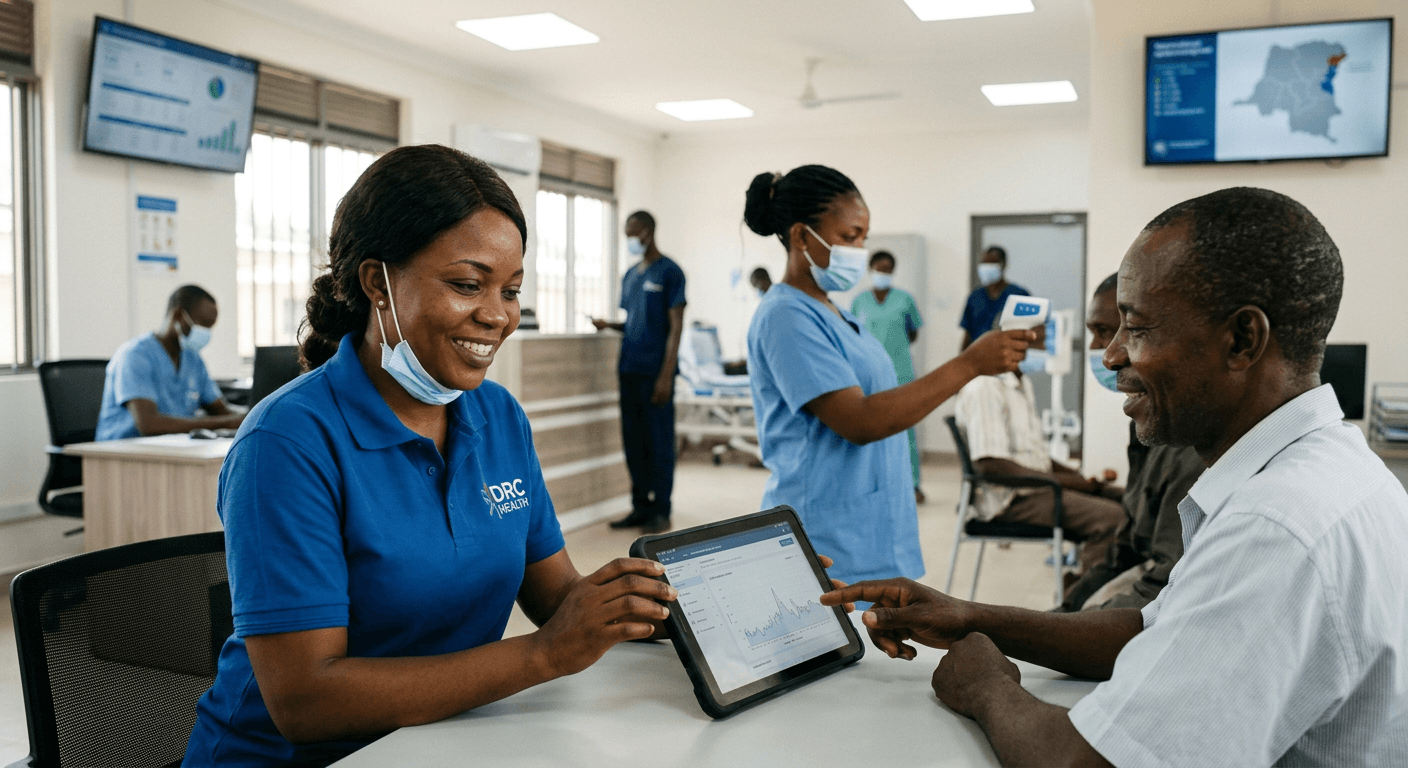
On a Tuesday in the city of Beni, a woman named Masika walked out of an Ebola treatment center, free of the virus. She was the last person in the Democratic Republic of the Congo (DRC) confirmed to have Ebola, marking a moment of joy and a potential end to an outbreak that began in August 2018.
Reaching this point was a monumental effort, achieved through immense sacrifice. According to the World Health Organization's Assistant Director-General, Dr. Ibrahima Socé Fall, the response was fraught with danger, including a staggering 420 attacks on health facilities and workers. While Masika's recovery is a testament to the responders' courage, Dr. Fall cautions that the fight isn't over. Flare-ups are still considered likely, meaning surveillance and rapid-response capabilities must remain on high alert.
This is where the power of digital health becomes clear. In environments where physical access is dangerous or limited, technology can be a lifeline.
At Medicup, we see a future where platforms like ours are integral to outbreak management:
- Telehealth for Safety and Scale: Remote consultations and training can protect healthcare workers by reducing their physical exposure in high-risk zones. It also allows international experts to support local teams without being on the ground.
- Digital Records for Rapid Tracing: Centralized Electronic Medical Records (EMRs) are essential for effective contact tracing. Instead of relying on paper, which can be lost or destroyed, a secure digital system allows for instant tracking of patients, contacts, and vaccination histories across a region.
- AI-Powered Surveillance: AI tools can analyze data to predict potential flare-up hotspots, enabling health officials to proactively allocate resources and personnel where they're needed most, rather than just reacting to new cases.
The milestone in the DRC is a hard-won victory. To honor the sacrifices made and to prepare for the next public health challenge, we must integrate modern digital tools into our global response frameworks. They are no longer a luxury, but a necessity for building a safer, more resilient future.
Source: World Health Organization