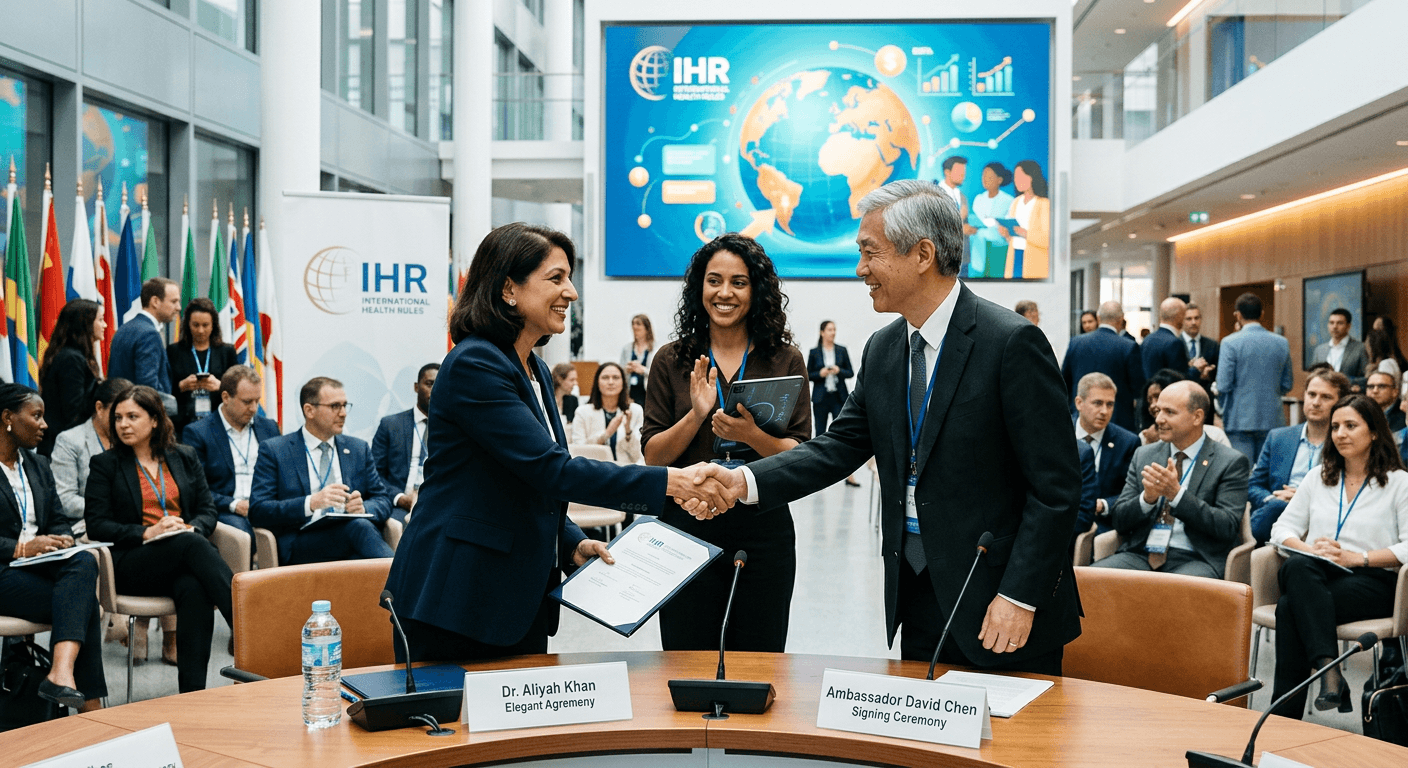
The global community has just taken a critical step to ensure the world is better prepared for the next major health threat. In a move designed to speed up the response to infectious diseases, the World Health Organization (WHO) has been granted new authority to act faster and more decisively.
A landmark resolution now confirms the WHO's power to verify reports of disease outbreaks from all available sources, not just official government channels. This includes unofficial reports and data. Crucially, the resolution also gives the WHO the authority to conduct on-the-spot investigations when necessary to determine the severity of an outbreak and ensure it is being properly controlled.
This is a major development in the ongoing revision of the International Health Regulations, the legal framework that helps countries work together to protect global health security. By empowering the WHO to proactively investigate and verify threats, the goal is to enable rapid action that can stop a local outbreak from becoming an international crisis.
What This Means for Digital Health
At Medicup, we see this as a powerful validation of the role digital tools play in modern public health. The WHO's mandate to use "unofficial sources" is a direct acknowledgment that health information no longer flows exclusively through traditional channels. Today, early signals of an outbreak can emerge from telehealth consultations, symptom-tracking apps, and other digital health platforms.
For patients and providers using telehealth, this means the health interactions you have are part of a larger ecosystem that can contribute to global safety. When aggregated and anonymized, data from digital platforms can provide public health officials with a real-time view of community health trends, helping them spot anomalies faster than ever before.
A stronger, better-informed WHO means a safer world for everyone. This new authority allows the organization to connect the dots between disparate pieces of information—official and digital—to build a more complete picture of emerging threats. It’s a key step forward in creating a truly modern, responsive global health system.
Source: World Health Organization