In the face of a global pandemic, where does life-saving knowledge belong? According to a growing coalition of countries, it belongs to everyone.
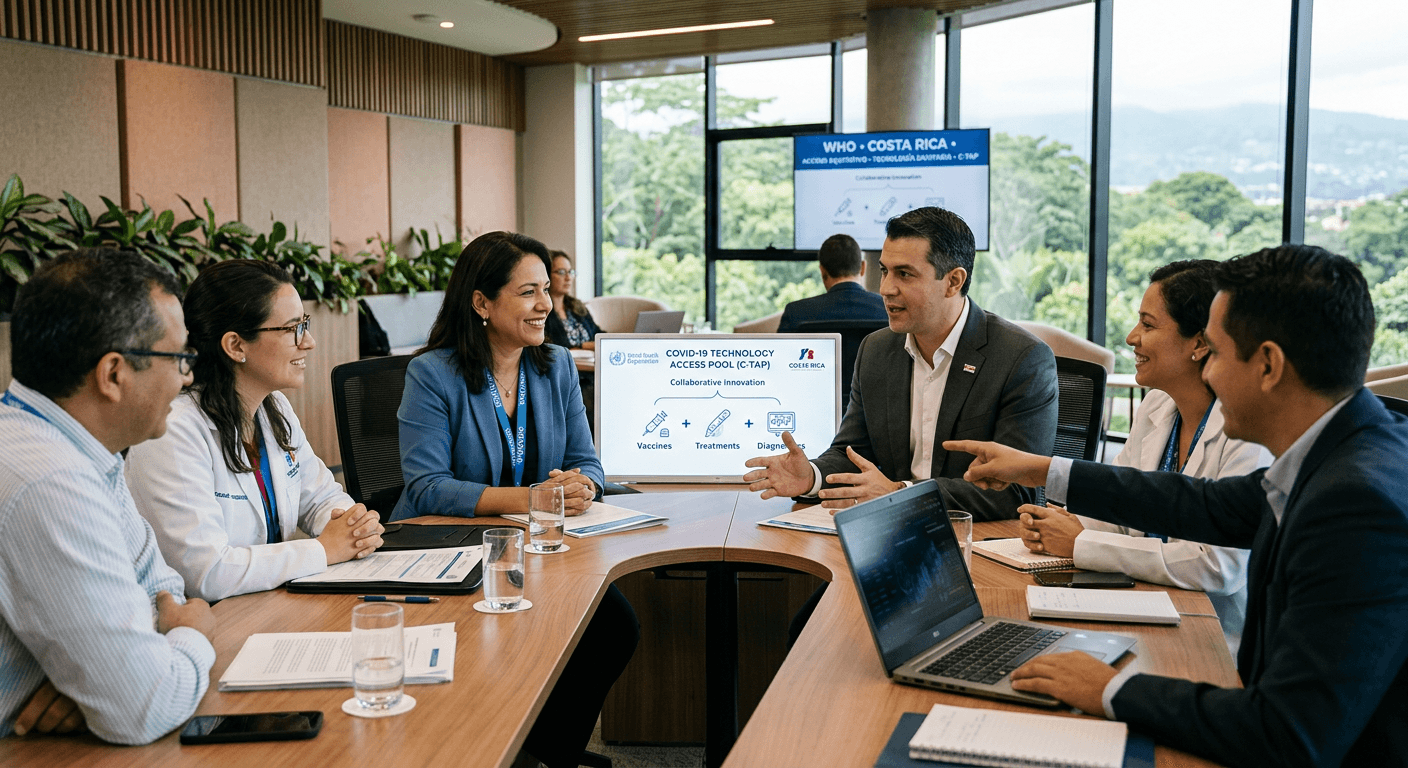
Led by Costa Rica, nations are joining forces with the World Health Organization (WHO) to create a groundbreaking technology platform. The goal is to voluntarily pool data, scientific knowledge, and intellectual property for the fight against COVID-19. This initiative, announced by Costa Rican President Carlos Alvarado Quesada and WHO Director-General Dr. Tedros Adhanom Ghebreyesus, aims to lift access barriers to effective vaccines, medicines, and other essential health products.
Costa Rica first proposed the idea at the beginning of the outbreak, and it is now gaining significant international support, with Chile also joining the announcement. The platform is designed to ensure that when a breakthrough occurs, it can be rapidly scaled and made available to people in all countries, not just the wealthiest.
“Our proposal relies on solidarity,” President Alvarado stated. “It’s a Solidarity call to action.”
Why This Matters for Digital Health
At Medicup, we believe technology's greatest power is its ability to break down barriers to healthcare. This global initiative applies that same principle on a massive scale. Just as telehealth platforms connect patients with providers regardless of distance, this technology pool aims to connect the entire world with the tools needed to overcome COVID-19.
For patients, this means hope for more equitable and affordable access to future treatments and diagnostics. It’s a move to prevent a world where your location determines your access to care. For providers on the front lines, including those using digital platforms to manage patient care, this initiative could mean having a wider, more accessible arsenal of proven tools to diagnose and treat the virus. It empowers clinicians to provide the best care based on global science, not restrictive patents or supply chains.
This is a powerful reminder that collaborative platforms—whether for a single patient consultation or for global scientific data—are essential for building a healthier, more equitable future.
Source: World Health Organization