For a child under two years old, a common nutritional gap can have effects on brain development that are both significant and irreversible. This critical window for cognitive growth can be permanently impacted by a lack of iron, leading to challenges with learning and school performance later in life.
The risk isn't limited to toddlers. According to the World Health Organization (WHO), a mother's iron deficiency during her last trimester of pregnancy can also negatively affect her child's cognitive development. The challenge has been detecting this deficiency early enough to intervene effectively.
To address this, the WHO has released new guidelines to help health workers better assess iron status in individuals and populations. The guidance focuses on the use of ferritin concentrations—a key indicator of the body's iron stores—to enable earlier and more accurate detection of iron deficiency in pregnant women and young children.
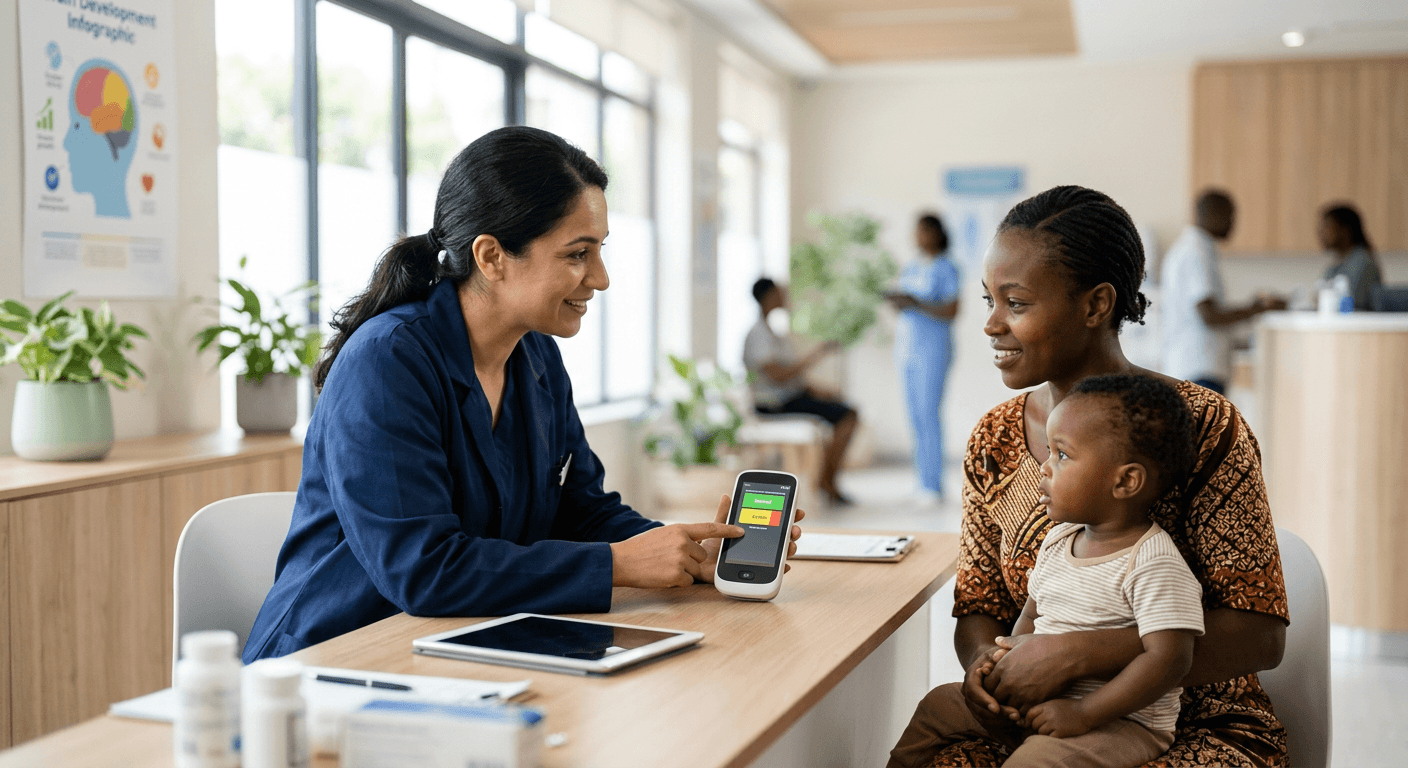
At Medicup, we see this as a crucial step forward for preventative care, one that aligns perfectly with the mission of digital health. Telehealth platforms can play a vital role in this effort. Through virtual consultations, providers can educate expectant parents on the importance of iron, order necessary lab tests like ferritin level checks, and review the results remotely. By integrating these new global standards into digital health workflows, we can make this essential screening more accessible, helping to protect the brain development of the next generation before it's too late.
Source: World Health Organization