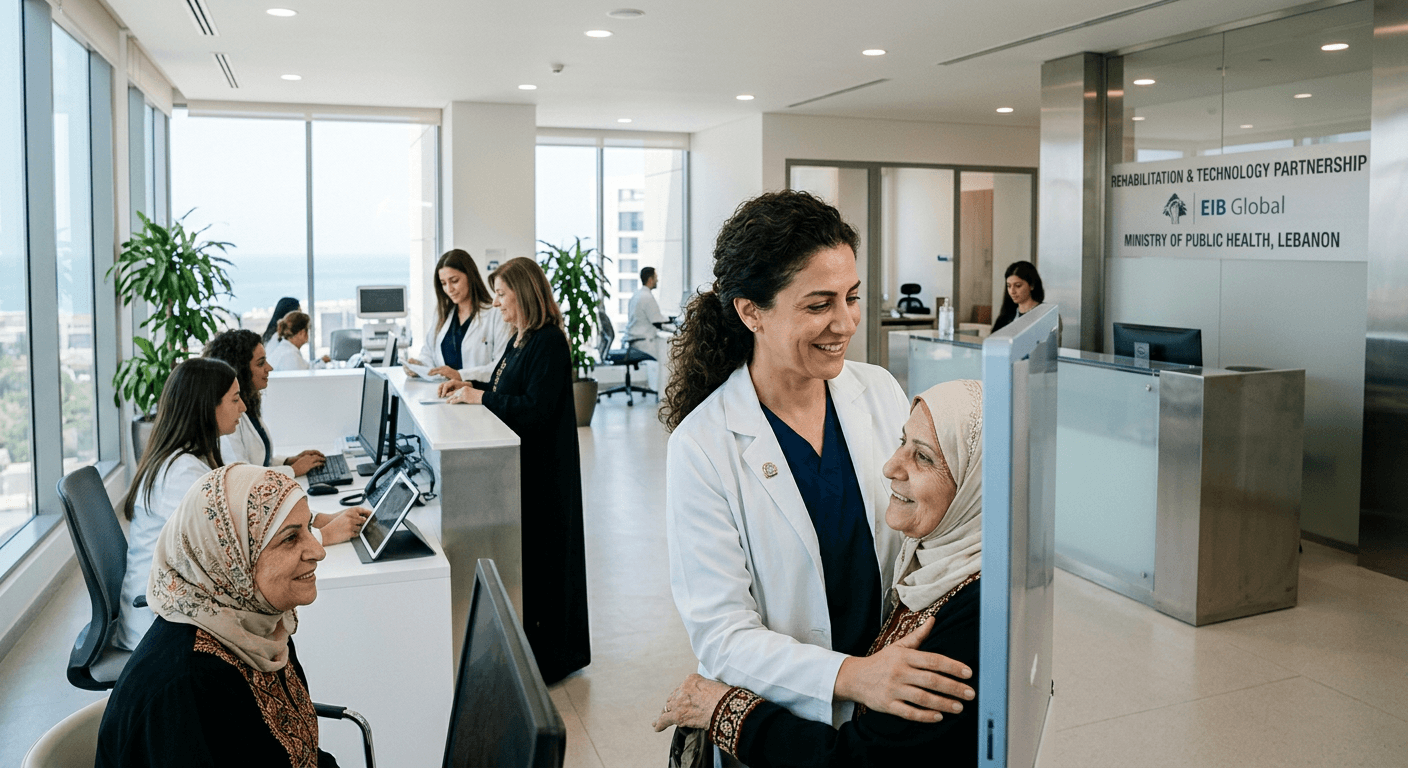
For over 50,000 people in Lebanon living with chronic conditions like diabetes, cardiovascular disease, and cancer, consistent access to care is a daily struggle. A major new initiative aims to change that, providing a critical lifeline for both patients and the nation's health infrastructure.
The World Health Organization (WHO) and the European Investment Bank (EIB Global) have announced a new partnership, formalized by a €10 million grant agreement. The signing, which took place between WHO Director-General Dr. Tedros Adhanom Ghebreyesus and EIB Vice-President Thomas Östros in Luxembourg, marks a significant step toward strengthening Lebanon's public health system.
The funds are earmarked for two primary, high-impact goals:
1. Re-establishing the Central Public Health Laboratory: A functioning national lab is the backbone of any modern healthcare system, essential for accurate diagnosis, disease surveillance, and outbreak response. Rebuilding this facility is a foundational move to restore Lebanon's capacity to manage public health crises.
2. Supporting Chronic Disease Patients: The initiative will prioritize providing medication and healthcare support directly to more than 50,000 people managing long-term illnesses.
The Digital Health Connection
Rebuilding physical infrastructure like a central laboratory is a monumental task. But what happens once the tests are run and the data is collected? How do you ensure that vital information and ongoing care reach every patient who needs it, especially those with chronic conditions requiring constant management?
This is where digital health platforms become indispensable partners in recovery and resilience. For the 50,000 patients at the heart of this initiative, technology can bridge critical gaps:
- Consistent Care: Telehealth allows patients to consult with specialists and manage their conditions from anywhere, ensuring continuity of care even when travel is difficult.
- Medication Management: Digital prescribing and automated reminders help patients adhere to complex treatment regimens for diseases like diabetes and hypertension, improving outcomes and preventing complications.
- Integrated Data: As the new Central Public Health Laboratory comes online, electronic medical records (EMRs) are crucial for securely managing lab results, sharing them with providers, and giving patients direct access to their own health information.
This investment in Lebanon's physical health infrastructure is a powerful reminder that robust, resilient healthcare requires a dual approach: strong foundational facilities paired with the modern digital tools that make care accessible, efficient, and patient-centered. By connecting labs, clinics, and patients, we can ensure that such vital investments have the maximum possible impact on people's lives.
Source: World Health Organization